Valve sealant injection places compatible non-hardening sealant behind damaged seats through a valve's designed fittings. In suitable live valves, controlled pressure moves the material around the sealing system, where it supports scored or worn surfaces and blocks limited leak paths. The result is temporary and must be tested and monitored.
Knowledge · Sealant injection
Valve sealant injection: how it works and when
Mechanism, pressure control, product choice and limits for live valves.
1. What sealant injection can achieve
Seat sealant supports sealing surfaces that no longer make reliable contact. It does not return damaged metal or soft parts to new condition.
The treatment is mainly used when a closed valve passes internally. Product crosses the seat although the valve has reached its closed position. Read the passing valves guide for diagnosis and confirmation methods.
Pressure rise, continued flow and seat noise can suggest passing. They remain screening evidence because heating, equalisation, instruments or another flow path can create similar signs. A suitable seat test must confirm the fault.
When limited scoring, galling or seal damage creates a leak path, sealant can support the affected area. It forms a pressure-supporting barrier within the designed sealing system.
This process is not general cavity filling. It targets the intended sealant system through identified injection points. Wrong-point injection may treat nothing and can create pressure risk.
External stem or body leakage is a different problem. Seat injection should never be presented as the answer to an unidentified external leak.
2. The gates before any injection
Injection starts only after the valve, service and job controls are known. Four gates decide whether work may proceed.
- Designed access. The valve must have suitable injection fittings connected to the intended seat-sealant passages.
- Fitting condition. Fittings must be identified, accessible and free from visible damage or leakage. Their pressure rating must be known.
- Compatible service. Valve design, process medium, temperature, seals and existing product must accept the selected sealant.
- Approved operation. Site rules and the permit-to-work must allow connection, injection, cycling where needed and testing.
Unclear nameplates, uncertain fitting identity or missing ratings stop the recommendation. A proper assessment is the endpoint until evidence becomes available.
A leaking, damaged or heavily corroded fitting is part of the pressure boundary risk. Do not connect equipment or attempt to remove it during an online treatment.
Severe internal damage also changes the route. Broken trim, cracked parts or badly cut seats require isolation, repair or replacement rather than greater injection effort.
The broader online valve maintenance guide explains how these gates fit the survey, treatment and verification sequence.
3. Fittings, passages and the sealing mechanism
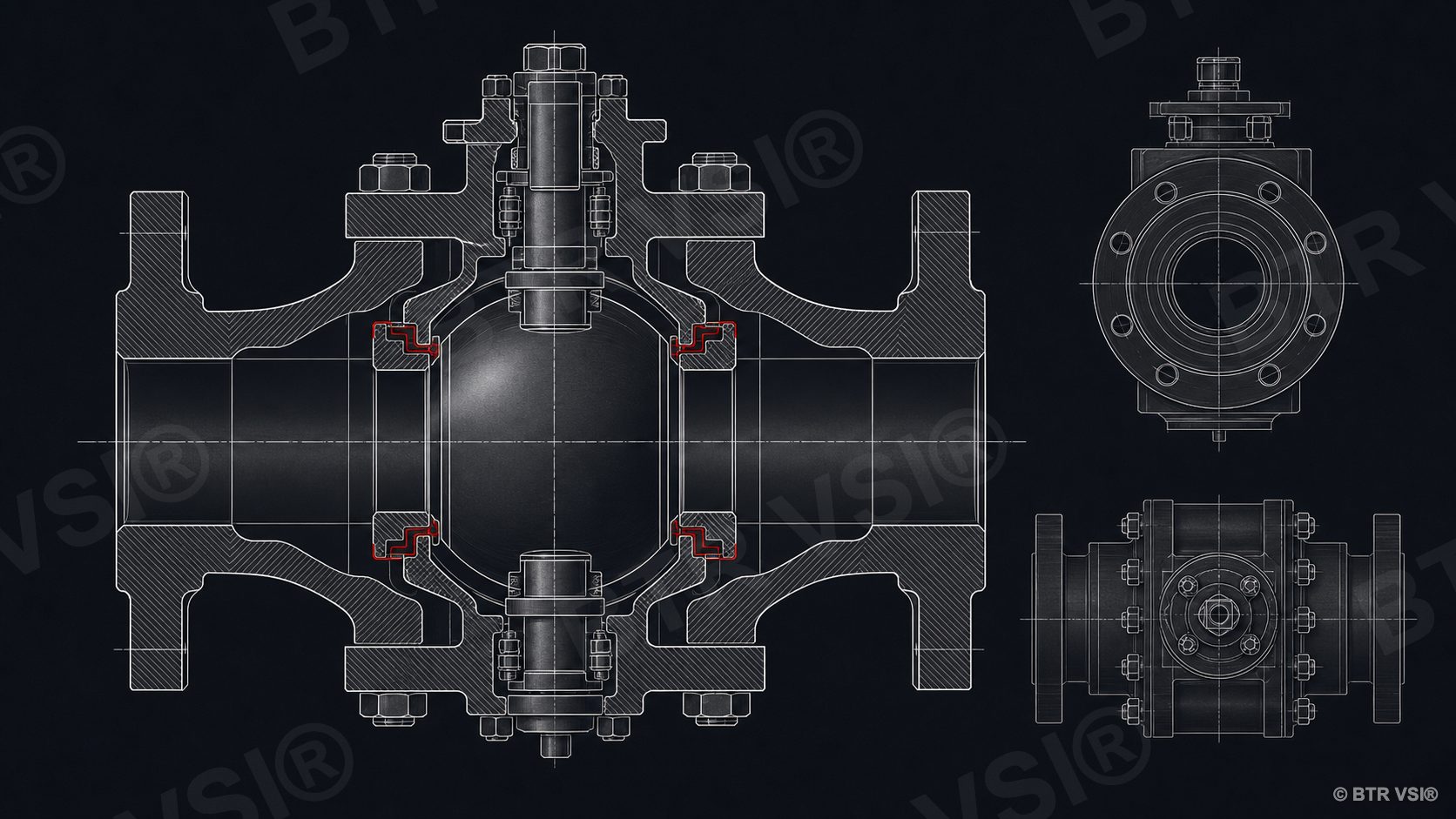
An injection fitting gives controlled access to the valve's built-in sealant system. A rated coupler connects the pump or gun to that point.
Internal passages then carry product towards the seat area. Their arrangement differs by valve design, so the correct fitting cannot be assumed from location alone.
The injection system must first accept material. Cleaner may be used where compatible residue blocks movement or distribution. Cleaning cannot open a mechanically damaged passage or repair a failed fitting.
Non-hardening sealant then moves around the designed seat path. It supports gaps where the original sealing surfaces have limited wear, scoring or galling.
The material remains able to move rather than curing into a rigid repair. This matters because valve movement and process conditions continue after treatment.
Distribution is rarely visible from outside. Gauge behaviour, measured product uptake and the final seat test provide the useful evidence. Pressure response alone never proves that the seat has sealed.
Some systems use more than one seat injection point. The approved valve drawing and job plan determine the connection order. There is no safe universal sequence for every design.
Buttonhead fittings are common connection points. Their form does not remove the need to confirm the exact function, condition and rating before use.
4. Controlled pressure and clear stop-work signals
Injection pressure must overcome the opposing service pressure enough to move product. It must also remain below every applicable valve, fitting, hose and equipment rating.
The lowest rating in the connected system governs the job. A high equipment rating does not raise the permitted pressure of a lower-rated fitting.
There is no universal injection pressure or fixed pressure margin. Line pressure, cavity pressure, product flow resistance and valve design change the required response.
A calibrated gauge lets the engineer watch pressure while applying controlled amounts. The team records pressure response and product uptake instead of relying on pump effort.
- Confirm the expected pressure path and all equipment ratings.
- Connect only to the identified, sound injection fitting.
- Apply product in controlled amounts while watching the gauge.
- Pause when pressure rises unexpectedly or uptake differs from the plan.
- Stop for connection leakage, unstable pressure or abnormal valve behaviour.
- Test the seat independently before accepting the result.
Never describe the method as injecting until the valve seals. That wording removes the limits that prevent blocked passages, over-injection and connection failure.
Our injection equipment includes hand-operated and air-operated options. Equipment choice depends on required pressure, product volume, access and site controls.
5. Choosing the sealant
Sealant choice begins with service conditions, not valve size alone. A product that works in one medium may behave differently in another.
- Process medium. The material must remain suitable when exposed to the gas or liquid in service.
- Temperature range. Normal operation and credible excursions must remain within the product's stated conditions.
- Valve materials. Sealant must suit seat materials, elastomers and other contacted parts.
- Existing product. Mixing with unidentified or incompatible material can block flow or change sealing behaviour.
- Required role. Lubricant supports movement, while sealant supports damaged sealing surfaces. General grease is not an automatic substitute.
Dry gas needs particular care. Organic sealants can harden in dry gas and contribute to seizure. Product evidence and service history should guide selection.
A non-hardening product still needs compatibility evidence. The phrase describes behaviour, not suitability for every medium, temperature or seal material.
Unknown material already inside the valve creates uncertainty. Cleaning and compatibility review may be needed before any new sealant enters the system.
Our cleaners, lubricants and sealants serve different maintenance roles. Product guidance should follow valve details, service data and the intended injection point.
6. Verification, temporary status and handover
The job does not end when injection pressure changes. Acceptance comes from the test chosen before work began.
For seat passing, use a suitable seat test after treatment. Pressure decay or a controlled bleed check may provide confirmation where the valve arrangement allows it.
Record the valve identity, operating conditions, products, amounts, pressure response and test result. Also record any cycling and every stop-work event.
An injected seal is temporary. Cycling and process flow can move material from the sealing area. Service conditions can also change how the seal behaves.
Handover therefore needs a monitoring plan and a clear owner. Set review triggers from condition, leakage history, criticality and OEM guidance, not a universal calendar.
A later top-up may be reasonable where the valve remains suitable and evidence supports it. Repeated loss of sealing may instead show progressive damage requiring planned repair.
The permanent decision should remain visible in maintenance records. Temporary success must not remove a critical valve from replacement planning.
See valve integrity management for survey and record planning. The hard-to-operate valves guide covers torque problems that can exist beside seat leakage.
The knowledge hub links detailed guidance on pressure, fittings, quantities, compatibility and repair limits.
Common questions
Valve sealant injection questions, answered directly
What does valve sealant injection do?
Valve sealant injection places a compatible non-hardening material into a designed seat-sealant system. The material supports damaged sealing surfaces and blocks limited leak paths, but it does not rebuild broken valve parts.
Can sealant be injected into any valve?
No. The valve must have suitable injection fittings and internal passages. Its design, service medium and operating state must suit injection, and site rules and the permit-to-work must allow the job. Damaged fittings or uncertain valve data require assessment first.
How is injection pressure selected?
Injection pressure must be high enough to move product against service pressure, yet remain within every valve, fitting and equipment rating. The team watches gauge response and product uptake throughout the controlled injection.
Is injected valve sealant a permanent repair?
No. An injected seal is a managed temporary measure. Cycling and process conditions can move sealant, so the valve needs testing, monitoring and a planned decision about top-up, repair or replacement.
Need an injection assessment?
Send the valve data. An engineer replies within 24 hours.
Include valve type, service, pressure, fitting condition and seat-test result.