Valve cleaner is a synthetic compound injected into an installed valve during online maintenance. It softens dried sealant residue, breaks down fouling and restores movement in clogged internals. Clean surfaces then accept fresh lubricant or sealant far more evenly.
Products
Valve cleaners
Synthetic cleaners soften residue and clear fouling in valves that stay in service.
Product detail
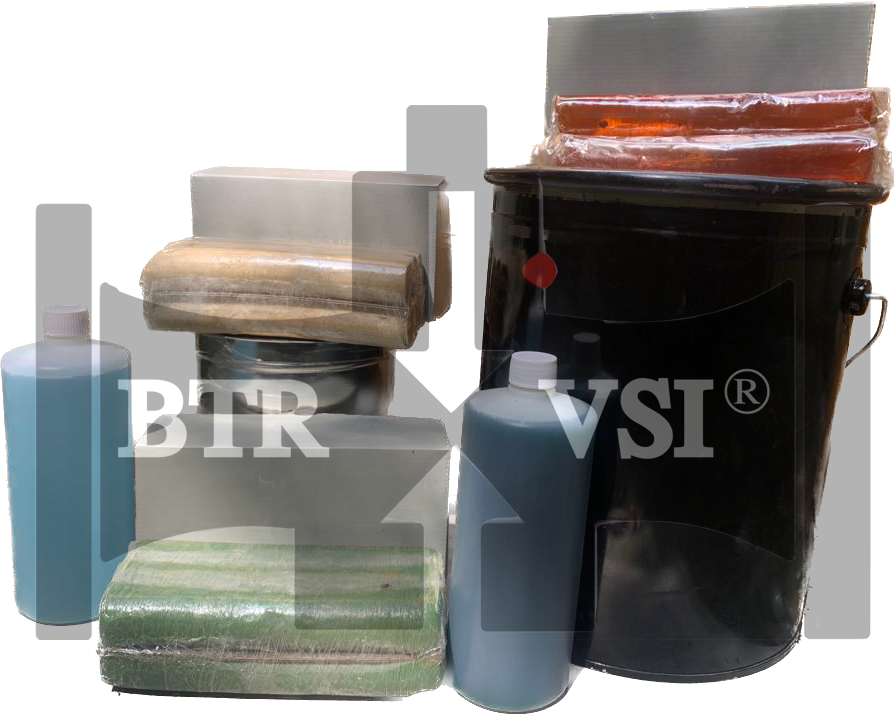
Cleaners prepare the valve for every other compound
Our synthetic cleaners soften and wet dried sealant residue during in-situ maintenance.
They clear clogged areas, add lubrication and protect surfaces from galling or scoring.
The cleaners work on valve internals without harming any rubber parts. They are also formulated to work alongside our valve lubricants and sealants.
Gates to check before any cleaner is injected
In-service cleaning is not possible on every valve, so we check four gates first.
- Fittings
The valve must carry injection fittings in good, serviceable condition. - Design and service
The valve design and the line medium must suit injection work. - Permit-to-work
Site rules and the permit-to-work must allow the job. - Operations
Site operations must permit the work on that valve at that time.
Valves that fail a gate are assessed for other options instead.
How cleaner dwell works in practice
Cleaner goes in first and is left to dwell before further injection.
Operators commonly report dwell times of 30 to 40 minutes. Badly neglected valves are sometimes left to soak for up to eight hours.
These figures are reported practice, not rules, and vary by valve, fitting and site. Our guide to cleaner dwell times explains how engineers judge the wait.
Once residue softens, our valve lubricants rebuild the protective film inside the cavity.
Start with the valve condition
Send the valve details and we will match the cleaner
Share the valve type, the service duty and the operating problem you found. An engineer replies within 24 hours.