No sealant uptake, especially with a fast pressure rise, indicates resistance somewhere between the pump and the intended sealant space. That response does not locate the blockage. Stop before equipment or fitting limits are approached, secure the work, and arrange a controlled assessment.
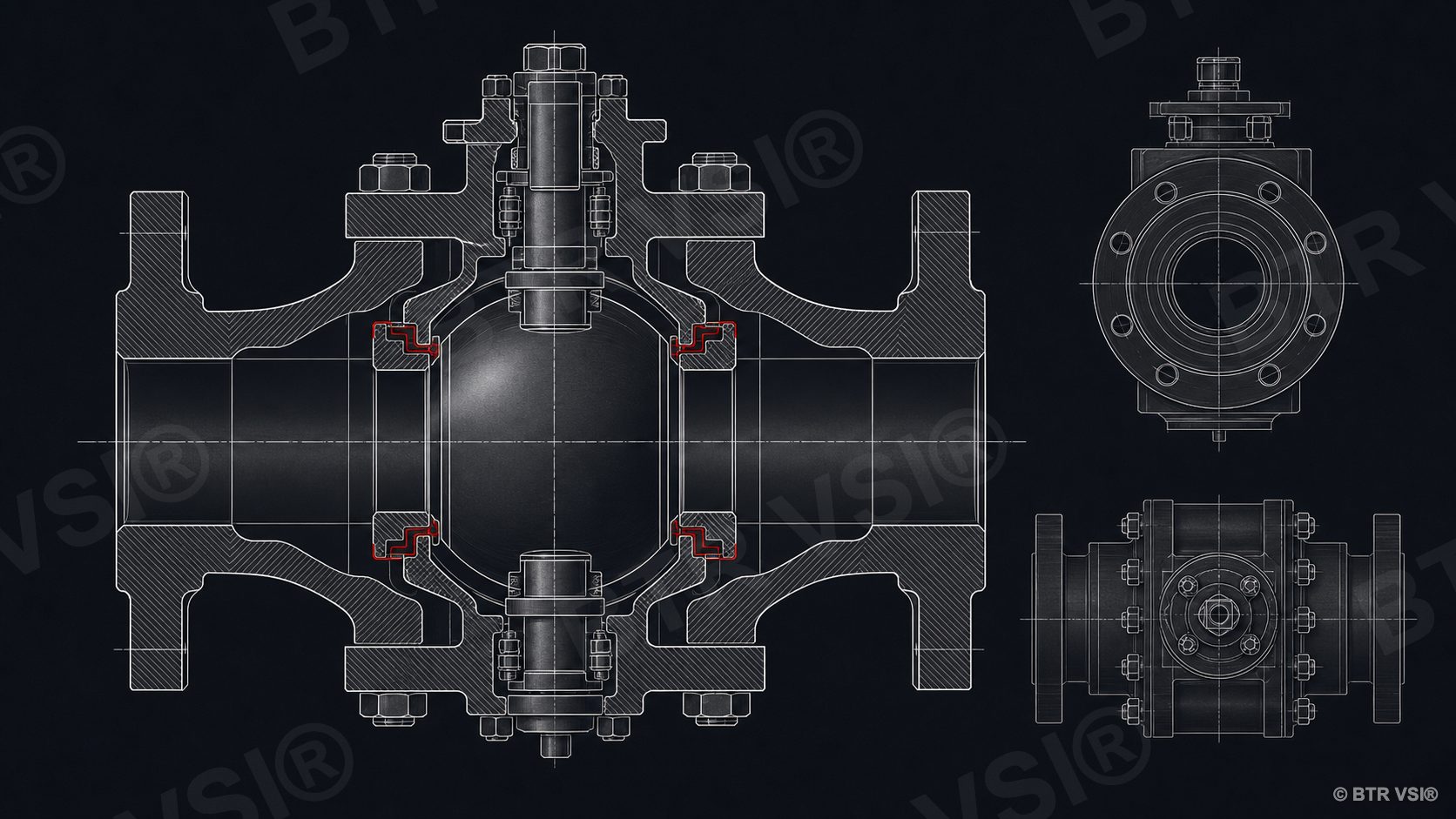
Diagnosis · Injection response
Sealant injection has no uptake
How to interpret pressure response without forcing a blocked injection path.
Start with four gates, not more pump force
Injection is suitable only after four gates are passed. The injection fittings must be in good condition. The valve design and service must suit injection. Site rules and the permit-to-work must allow the job.
If any gate is uncertain, do not treat pressure as a reason to push harder. Review the valve identity, drawing, fitting type, equipment ratings and previous service record. Our pre-injection safety checklist sets out that review.
A gauge reading is only one part of the evidence. Pump displacement, connection condition, line pressure and valve configuration also affect what the operator sees.
Read the pressure response as screening evidence
The shape of the response helps screen possible faults. It cannot confirm where the restriction sits.
- Fast rise with almost no pump movement. This suggests a closed or blocked path near the connection. Trapped material compression can produce a similar response.
- Normal pump movement with no expected pressure change. This suggests lost delivery, bypass inside the equipment, poor engagement or an open route elsewhere.
- Pressure rises, then falls without stable uptake. This may indicate connection leakage, check-valve behaviour or movement into an unintended space.
- Some uptake occurs, but seat leakage does not change. Material movement is not proof that sealant reached the damaged seat.
Compare these observations with the equipment condition and the valve record. The injection pressure guide explains why line pressure and equipment limits must be read together.
Know the stop-work conditions
Stop when the response differs from the approved plan. Stop before any equipment, hose, adapter, fitting or valve limit is approached. Also stop for unstable pressure, visible leakage, unexpected valve movement, damaged fittings or uncertain valve identity.
Do not attempt to clear a suspected blockage on a pressurised component. This article gives no clearing procedure because that work needs isolation, depressurisation and an approved method. A blocked fitting can retain pressure after the pump is disconnected.
Repeated pump strokes can pack material into a restricted passage. They can also hide whether the gauge is reading trapped pressure rather than useful delivery. Controlled injection means measured amounts, watched pressure response and defined stopping points, never continuing until the valve seals.
Escalate with evidence, not a guessed diagnosis
Record the starting line pressure, equipment used, connection checked, pump movement and pressure response. Note any visible leakage and whether the valve position changed. Do not label the fitting blocked unless a confirming inspection supports that conclusion.
The next step may be equipment testing, an isolated fitting inspection, OEM review or planned valve work. Selection depends on the pressure boundary, valve design and site controls. Our sealant injection guide explains the intended flow path, while field service support can assess an abnormal response.
If injection remains unsuitable, assess other repair routes. The online repair limits guide explains when planned isolation or replacement is the honest endpoint.
Keep the decision simple. If the planned response is absent, pause the job. Verify the equipment away from the live boundary. Review the valve documents. Resume only under a new, approved plan.
Common questions
Injection has no uptake questions
Does a fast pressure rise prove the injection fitting is blocked?
No. It indicates resistance near or beyond the connection, but does not locate it. Confirm the cause through an approved assessment after the pressure boundary is made safe.
Should an operator increase force when sealant has no uptake?
No. Stop before any equipment or fitting limit is approached. More force can pack a restriction or load a damaged component without proving useful delivery.
Can a blocked passage be cleared while the valve remains pressurised?
Do not attempt clearing based on this diagnosis. Secure the work and use an approved method that addresses isolation, depressurisation and retained pressure.
What should be recorded before escalation?
Record line pressure, equipment, connection checks, pump movement, pressure response, visible leakage and valve position. Keep observations separate from the suspected cause.
Injection response looks wrong?
Send the pressure pattern. An engineer replies within 24 hours.
Include the valve identity, line pressure, fitting type and observed pump response.