An online sealant injection visit starts with valve identification, fault confirmation and safety gates. The team then cleans, cycles where permitted, injects controlled material and retests the valve. Acceptance depends on the approved leakage test, not product uptake or pressure response alone.
Knowledge · Procedures and how it works
Online sealant injection: pre-job checks, execution stages and acceptance evidence
A sound visit moves from evidence and gates to controlled work and retesting.
Pre-job gates come before product choice
Online injection is work on an installed, pressurised valve. A clear task plan and confirmed valve data must exist before connecting equipment.
Four gates decide whether treatment can proceed. Injection fittings must be suitable and in good condition. The valve design and service must suit injection.
Site rules and the permit-to-work must allow the job. If any gate remains unclear, pause for assessment rather than treating the valve.
The pre-injection safety checklist covers ratings, barriers, gauges and stop-work conditions.
Stage one: survey and confirm the fault
Start with the valve tag, design, size, service, line pressure and operating state. Compare drawings, records and the installed fittings.
- Inspect the valve, operator, fittings, caps and surrounding area.
- Verify pressure ratings across the full injection path.
- Confirm the product already present where records allow.
- Check local travel against remote position indication.
- Record the approved leakage or isolation test result.
Pressure rise, flow, sound and high torque are screening evidence. They suggest a problem, but they do not confirm seat damage or identify its cause.
Common causes include debris, dried material, seat scoring and incomplete travel. Stop settings, gearbox faults, instruments and another flow path can also explain the symptoms.
Use the valve sealant injection guide for the mechanism and limits behind the procedure.
Stage two: clean and cycle where permitted
Cleaner may soften old material or residue in a suitable valve. Product compatibility must cover the service, seals, old material and intended follow-on sealant.
Inject a controlled amount within valve, fitting and equipment ratings. Watch the gauge, uptake and fitting condition throughout the work.
Allow time for cleaner to act before judging response. The cleaner dwell guide explains why product condition, temperature and passage restriction matter.
Cycle the valve only when operations permits movement and process conditions are safe. Movement may distribute cleaner, but forcing a stiff valve can damage the drive or stem.
Stop for rapid pressure rise, fitting leakage, no uptake, rising torque or unexpected process movement. Reassess before changing product or pressure.
Stage three: inject sealant under control
Sealant supports limited leak paths in valves designed with seat-injection systems. It does not rebuild broken trim, cracked parts or severely damaged seats.
- Select compatible non-hardening material for the known service.
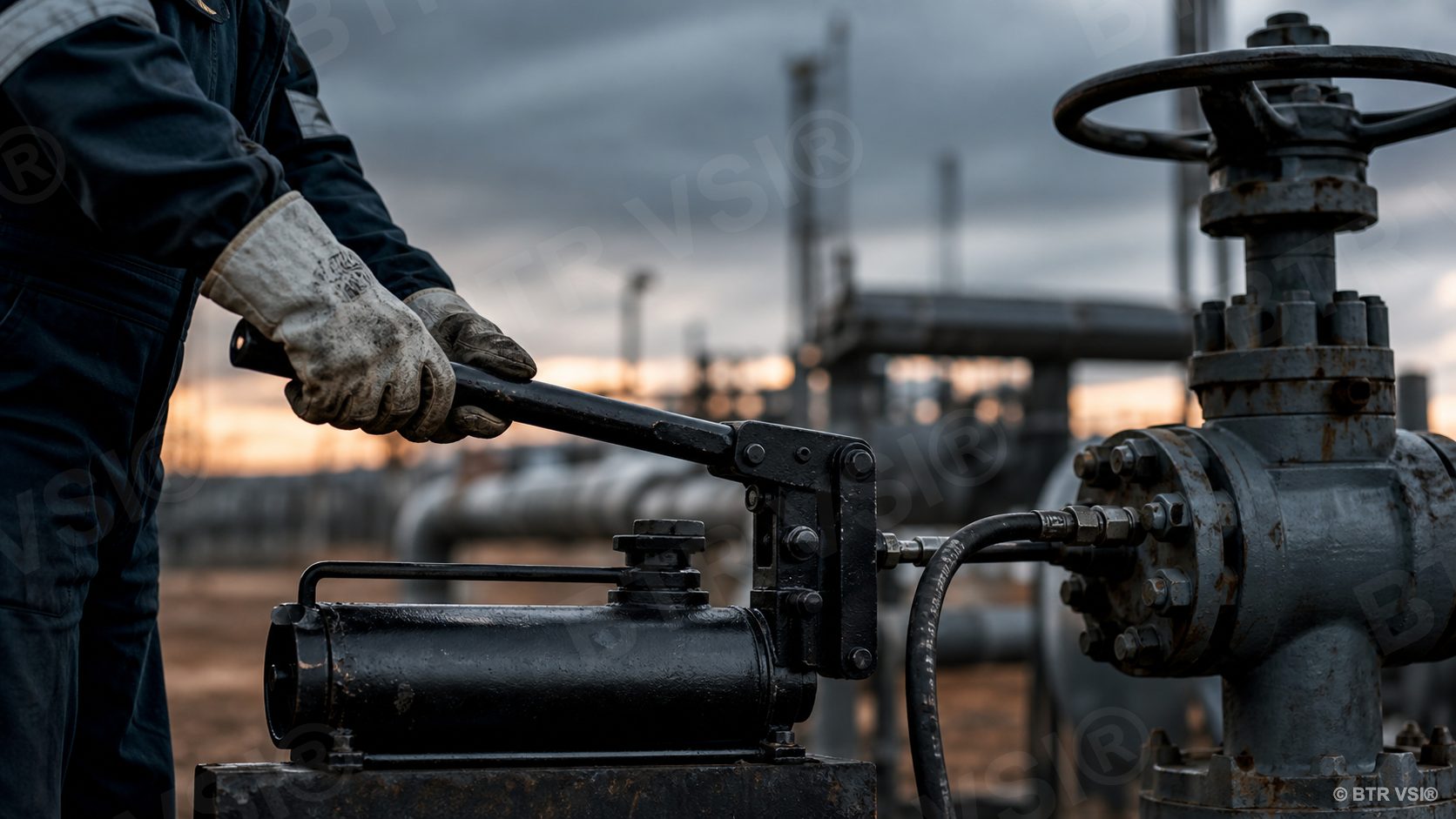
- Connect rated injection equipment through an inspected fitting.
- Apply controlled strokes or amounts while watching pressure response.
- Pause when uptake or pressure behaviour changes.
- Stop at any planned limit or abnormal condition.
Never treat continuing leakage as permission for unlimited injection. More pressure or material can overload a fitting without improving the seat.
If the valve does not accept product, investigate the connection, passage and valve data. Do not defeat a check feature or exceed a rating.
Stage four: verify acceptance
Product uptake, lower noise or slower pressure rise may show change. These remain screening signs rather than acceptance evidence.
Repeat the approved seat-leakage or isolation test under recorded conditions. Keep the test boundary and acceptance basis consistent with the pre-job result.
A reduced leak does not pass unless it meets the agreed criterion. Record any valve that remains restricted and name the next engineering action.
Severe damage, uncertain pressure response or repeated failure needs planned isolation and internal assessment. Online treatment is not the honest endpoint for every fault.
Stage five: leave a usable record
Record the valve identity, conditions, products, quantities, injection points and pressure response. Add movement, test method, final result and every stop condition.
The record should show what was observed, what was confirmed and what remains uncertain. It should also name the owner and review point for any temporary result.
Our field services cover surveys, controlled injection and documented retesting. The record supports future diagnosis, but it does not replace the site integrity process.
Common questions
Online sealant injection visit questions
What must be checked before sealant injection?
Confirm the valve, fault, ratings, pressure condition, fitting condition and product compatibility. The design and service must suit injection, and site rules and the permit-to-work must allow the job.
Does product uptake prove the seat is sealed?
No. Uptake and injection pressure are process evidence only. Confirm the result with the approved seat-leakage or isolation test under recorded conditions.
Can technicians inject until the valve stops leaking?
No. Use controlled amounts within every valve, fitting and equipment rating while watching response. Stop for abnormal pressure rise, fitting leakage, no uptake, rising torque or unexpected process movement.
What should the visit record contain?
Record valve identity, line conditions, test method, fittings, materials, controlled quantities, pressure response, movement, stop conditions and the final acceptance result. Note any restriction and review action.
Preparing an injection visit?
Send the symptoms. An engineer replies within 24 hours.
Send the valve tag, design, service, pressure, symptoms, fittings and latest test result.