Valve sealant is a non-hardening compound injected to fill leak paths in an installed valve. It restores sealing across damaged seats, stems and cavities without setting into a hard mass. The valve keeps its movement, so it can still be operated and serviced.
Products
Valve sealants
Non-hardening sealants restore seat and stem sealing while the valve keeps moving.
Product detail
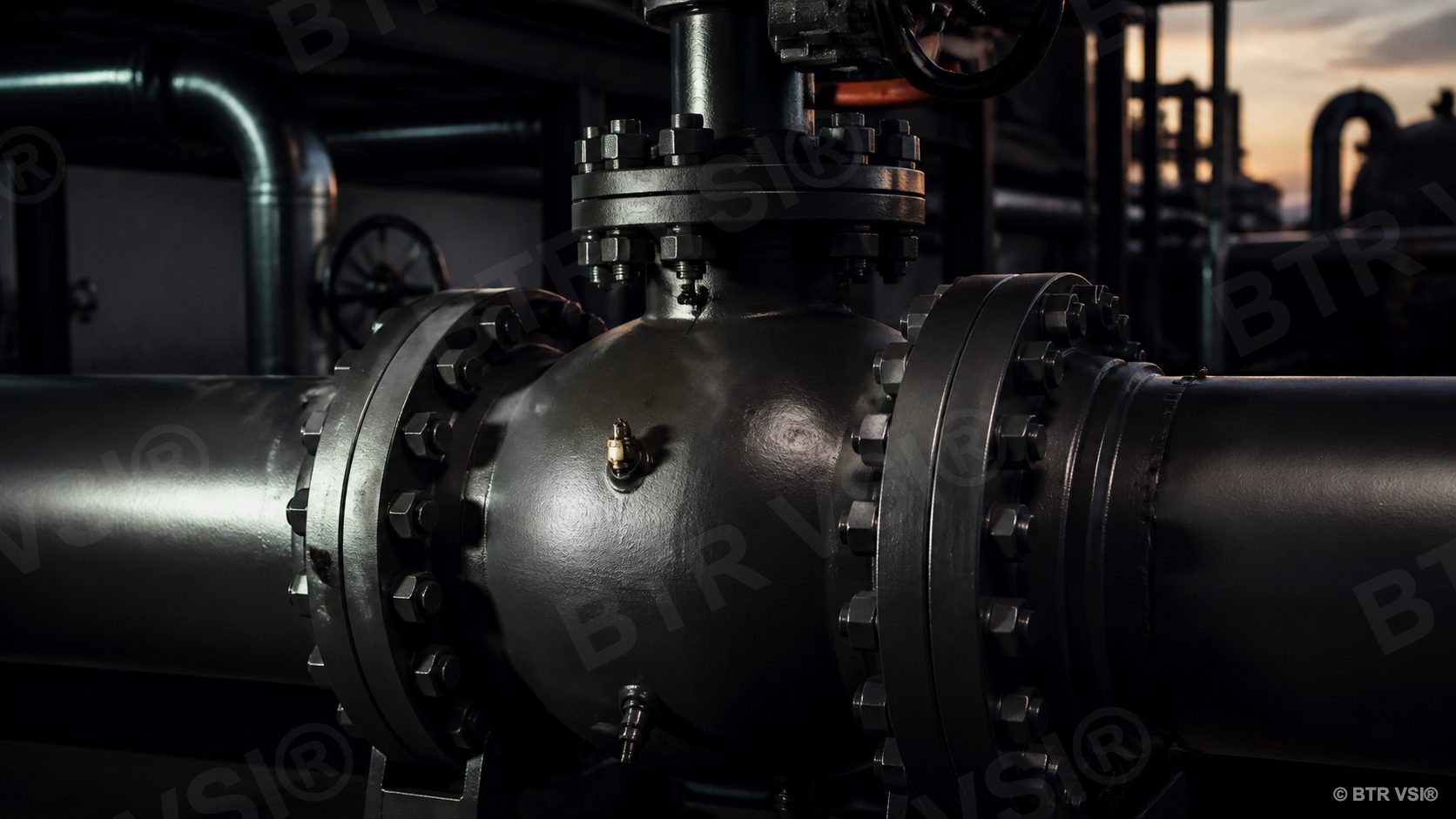
Sealants address damage the valve picked up in service
Galling, scoring or cutting can create leakage paths across seats and valve cavities.
Our non-hardening sealants resist produced fluids and gases while the valve keeps moving.
Because the compound stays soft, later cleaning and further top-ups remain possible.
Gates to check before sealant is injected
Sealant injection is not the right answer for every leaking valve.
- Fittings
The valve must carry injection fittings in good, serviceable condition. - Design and service
The valve design and the line medium must suit injection work. - Permit-to-work
Site rules and the permit-to-work must allow the job. - Operations
Site operations must permit the work on that valve at that time.
Severe damage may call for a proper assessment rather than injection.
Controlled injection, never a blind fill
Engineers inject controlled amounts within the equipment ratings and fitting ratings.
They watch the pressure response after each stage and stop when conditions say so.
The sealant injection guide describes the discipline stage by stage.
Fouled valves are usually treated with valve cleaners before any sealant goes in.
Start with the valve condition
Send the valve details and we will match the sealant
Share the valve type, the service duty and where the leak shows. An engineer replies within 24 hours.