High-pressure sealant injection can cause injection injury, hose movement, ejected parts and released product when controls fail. Only trained teams should perform the work under an approved site procedure. Verify every rating and connection, keep clear of the pressure path, and stop when conditions differ from the plan.
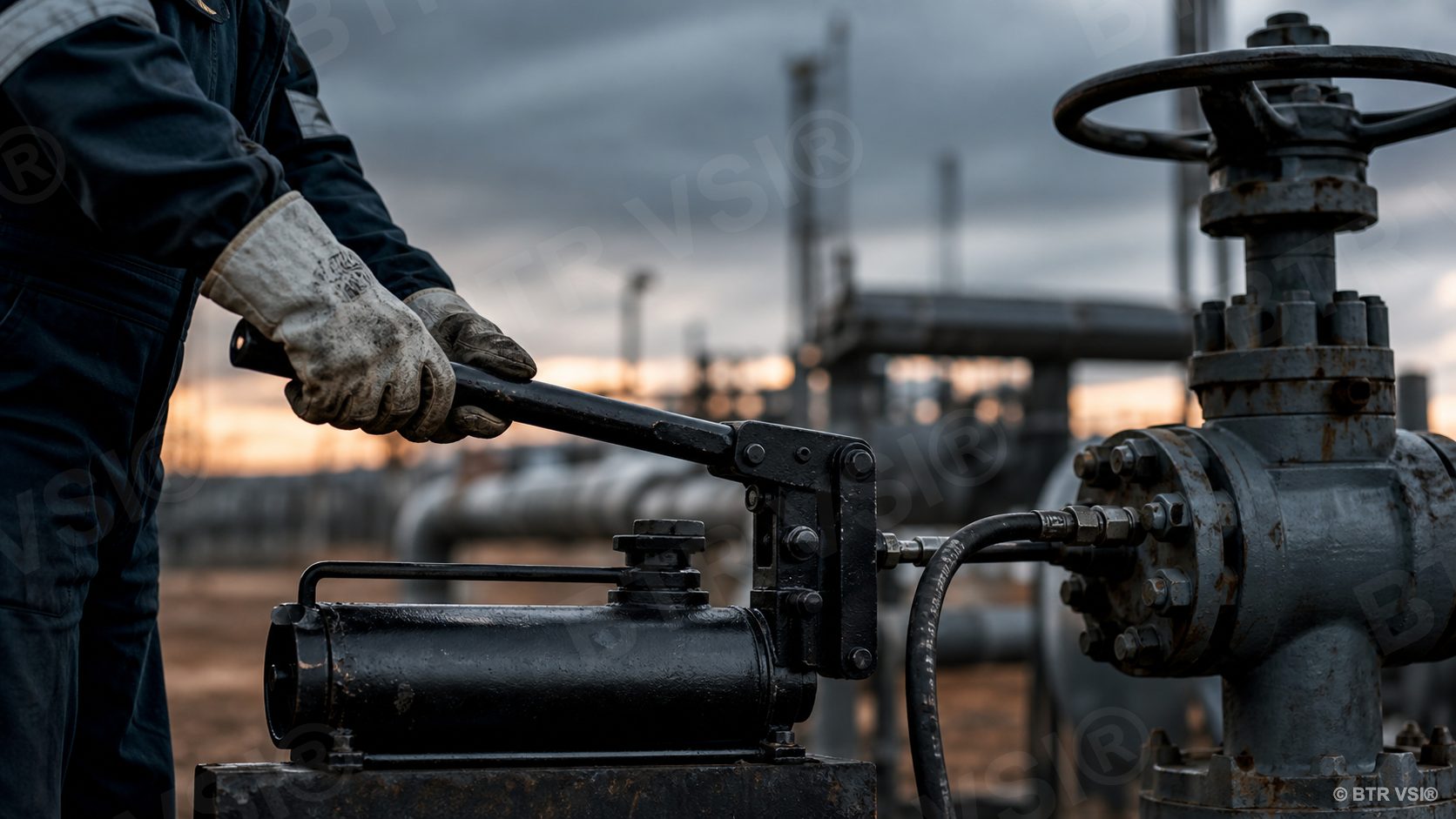
Knowledge · Injection equipment
High-pressure gun safety rules
The injury modes, controls and stop-work decisions that govern valve injection tasks.
High pressure leaves no room for improvised work
Sealant injection places equipment, connections and valve fittings under high pressure. Small leaks or loose parts can create severe injury risks.
Only trained and authorised teams should perform this work. The valve must have injection fittings in good condition. Its design and service must suit injection. Site rules and the permit-to-work must allow the job.
Site procedures and the task risk assessment govern the work. This article supports planning but cannot replace either document.
1. Know the injury modes before connection
- Injection injury. A fine high-pressure stream can enter tissue through a small wound.
- Hose movement. A failed or released hose can move without control and strike people nearby.
- Ejected parts. An unsuitable, damaged or incomplete connection can release components under pressure.
- Product release. Escaping process medium, cleaner or sealant can contact people and the work area.
- Trapping and strain. Poor equipment position can create pinch points, unstable loads and unsafe handling.
Protective equipment supports the control plan but does not make a weak connection safe. Prevent exposure at the source.
2. Verify the complete pressure path
Check the gun, hose, coupler, adapters and valve fitting as one system. The lowest permitted component rating governs the assembled path.
A 10,000 PSI equipment capacity is a ceiling for that equipment, not permission for the task. Line pressure, each component rating, fitting condition, OEM limits and site rules govern actual work.
Read what pressure ratings permit and the guide to safe connection selection before planning a setup.
Never connect an unidentified part or use an adapter to bypass doubt. Quarantine damaged or uncertain equipment.
3. Control the area and equipment
- Set the work area and access control required by the site procedure.
- Place equipment on a stable base where the operator can observe it.
- Route hoses away from sharp bends, traffic, hot surfaces and unstable loads.
- Keep hands and body clear of pressurised joints, fittings and suspected leak points.
- Maintain communication between the operator and operations contact throughout the task.
- Keep the agreed stop action available before pressure is applied.
Do not hold, tighten or adjust a pressurised connection. Make the system safe under the approved procedure before inspection or correction.
4. Inject controlled amounts and watch the response
Controlled injection means planned amounts within equipment and fitting ratings while observing pressure response. It never means injecting until the valve seals.
Pressure rise, changing flow and noise may indicate conditions in the injection path. They are screening evidence, not proof that product reached the intended location.
Confirm the maintenance result with the site-approved valve test. The sealant injection guide places that test within the full work sequence.
A normal-looking gauge does not excuse an observed leak, moving connection or damaged hose. Physical condition and site controls remain binding.
5. Stop work when the plan no longer fits
Stop-work is a control, not a failure. Any team member should act when the task departs from the agreed conditions.
- Stop for unexpected pressure rise, loss of indication or no credible response.
- Stop for leakage, hose movement, unstable equipment or changing connection condition.
- Stop when a component rating, identity or inspection status becomes uncertain.
- Stop when valve response, process conditions or operating permission changes.
- Stop when communication, area control or required protection cannot be maintained.
Do not force another stroke, increase pressure to test a theory or move closer to inspect a live leak.
6. Escalate injury and uncertainty
A suspected injection injury needs immediate medical escalation under the site emergency plan. A small wound does not show the possible internal damage.
For equipment or valve uncertainty, make the system safe and seek a competent assessment. The honest endpoint may be repair, replacement, further testing or a different maintenance plan.
Review the field kit controls and equipment care checks before mobilisation. BTR VSI also provides field service and training for planned valve work.
No production target justifies bypassing a stop-work rule. There are no heroics in high-pressure maintenance.
Common questions
High-pressure injection safety questions
Who should operate a high-pressure sealant gun?
Only trained and authorised people working under an approved site procedure, task risk assessment and the equipment maker’s guidance.
Can a small high-pressure injection injury wait for review?
No. Follow the site emergency plan and seek immediate medical assessment. A small wound does not show the possible internal damage.
What conditions require immediate stop-work?
Stop for abnormal pressure, leakage, hose movement, unstable equipment, uncertain ratings, changed process conditions or any loss of required control.
Should an operator add pressure when product flow appears blocked?
No. Stop and make the system safe under the approved procedure. More pressure can worsen an unknown blockage or connection fault.
Plan high-pressure work safely
Send the task controls. An engineer replies within 24 hours.
Include valve details, line pressure, equipment, fittings, site rules and stop-work conditions.